MMHow.com — How to Make Money Online
Make Money
AI-Powered Side Hustles2026-06-14 11:17

AI Light-App Micro-SKUs: Earning From Work Without Code

Earning from work without code—AI light-app micro-SKUs with ten-day sprints, acceptance tests, usage caps, and priced workflow packs.

AI Light-App Micro-SKUs: Earning From Work Without Code — AI-Powered Side Hustles guide cover

Why micro-SKUs beat open-ended AI gigs for earning from work

The honest path to earning from work with AI in a side hustle is not selling unlimited prompt labor. Commodity text collapsed; what still pays are light-app micro-SKUs—tiny, finished tools buyers can use in under five minutes: caption rewriters, listing optimizers, hook generators, invoice formatters, and niche calculators wrapped in a simple UI. You are earning from work by shipping bounded software artifacts, not debating model parameters with strangers.

No computer science degree required. You need a builder (Coze, Bolt, Replit agents, or similar), acceptance tests, and delivery SOPs that turn one buyer problem into one deployable link.

Who should ship AI light-app micro-SKUs

Operator

Why it works

Watch-out

Non-coder professional

You know a painful workflow

Scope creep into custom apps

Freelance writer or ops

You productize repeated tasks

Racing to zero on price

Student with evenings

Portfolio proof employers read

No revision or usage caps

Creator with niche audience

Distribution is half the SKU

Building before validating pain

Earning from work sustainably means selling named micro-SKUs ("RED title optimizer," "three-beat hook spinner") not "I will automate anything."

The micro-SKU menu (four tiers)

Tier 1: Single-purpose widgets ($9–$29)

One input, one output, export button. Example: turn a product bullet list into five RED-friendly titles. Delivery: instant link plus PDF readme.

Tier 2: Workflow packs ($39–$79)

Three linked widgets plus template library. Example: hook generator → caption expander → hashtag suggester for fiction promo editors.

Tier 3: Client-branded skins ($99–$249)

White-label UI colors, logo slot, usage cap per month. Agencies and coaches buy these for resale to their audiences.

Tier 4: Maintenance retainers ($149–$399/month)

Bug fixes, monthly template refresh, analytics export. Only after Tier 2 proves stable.

Tier

Build time

Support load

Repeat revenue

Widgets

2–5 days

Low

Medium

Workflow packs

1–2 weeks

Medium

High

Branded skins

2–3 weeks

Medium-high

High

Retainers

Ongoing

Bounded by SLA

Very high

Production SOP (ten-day sprint)

Days 1–2: Problem lock Interview three potential buyers or scrape repeated forum questions. Write a one-sentence job-to-be-done. If you cannot, stop.

Days 3–5: Build v0 Ship ugly but functional. Cap inputs (character limits, daily runs) to control API cost.

Days 6–7: Acceptance tests Ten real inputs with expected output quality bar documented. Failures become version notes, not silent bugs.

Days 8–9: Packaging Landing blurb, Loom demo under ninety seconds, license snippet, refund window.

Day 10: Launch to small list Ten beta users, feedback form, price test. Do not blast cold traffic until refund rate is known.

Operators earning from work without code batch two sprints per quarter—not twelve half-built repos.

Economics (illustrative, not guaranteed)

A disciplined operator with one Tier 2 workflow pack at $59 and fifty monthly buyers lands $2,950 gross before API costs—often $1,800–$2,400 net with lean hosting. Tier 1 widgets add $200–$600/month as entry upsells.

Treat month one as SKU R&D: your niche's willingness to pay for micro-tools differs from every Twitter thread.

Common failure modes

  • General-purpose chatbots — no clear job, no willingness to pay.
  • Unbounded API usage — one power user erases margin.
  • No acceptance tests — refund storms after launch week.
  • Custom dev promises — every buyer becomes a consulting project.
  • Guaranteed income marketing — platform bans and trust loss.

Case study: listing-title micro-SKU for resellers

A non-coder operator interviewed five Xianyu resellers, built a Coze flow that rewrites cluttered titles into search-friendly variants, capped at thirty runs per day per license key. Sold at $39 with seven-day refund window. Twenty-three buyers in month one; two refunds after tightening the character-limit disclaimer. Support averaged twenty minutes daily because FAQs were embedded in the app.

The lesson for earning from work without code: one painful workflow, one link, one price beats a sprawling "AI agency" pitch.

Compliance and disclosure

  • Disclose AI-generated outputs may require human review.
  • Honor data retention policies; avoid storing sensitive buyer inputs without consent.
  • State usage caps and refund rules before checkout.
  • Do not claim tools replace licensed professional advice (legal, medical, tax).
  • Keep third-party API terms compliant; no scraping behind login walls.

Month-two scaling without feature bloat

Add one high-request export format or one adjacent widget—never five new tabs overnight. Track support minutes per $100 gross and refund rate. Kill SKUs above eight percent refunds until copy and caps improve.

Maintain a changelog buyers can see. Micro-SKU trust compounds when updates are visible.

Tooling checklist (lean)

  • Builder account with cost alerts
  • License key or simple auth gate
  • Loom or equivalent for demos
  • Stripe or marketplace checkout
  • Acceptance test spreadsheet
  • Weekly API spend review

When to add a retainer tier

Only after thirty days stable with under five percent refunds and documented uptime. Retainers sell maintenance and template refresh, not unlimited feature requests.

Related on MMHow

Extended operator notes

Treat each micro-SKU like a mini product company: problem, test, cap, price, review. Before you open the builder, write the acceptance test row that would make a stranger pay. If that row is empty, you are hobbying—not earning from work.

Keep a failure log: inputs that broke the flow, buyer complaints, refund reasons. Review weekly; the log is more valuable than adding flashy UI chrome.

Partnerships accelerate distribution: niche creators bundle your SKU with their course for rev-share. You handle uptime; they handle traffic. Split revenue in writing before the first co-branded email.

Reinvest early sales into input validation and error messages—cheap upgrades that cut support. Operators earning from work without code win on reliability and bounded scope, not on promising AGI magic.

Pricing psychology for micro-SKUs

Buyers comparing your $59 workflow pack to a $200/month SaaS subscription are not irrational—they want ownership and niche fit. Price against the pain of doing the task manually for thirty minutes daily, not against generic ChatGPT access. A RED title optimizer that saves twelve listing edits weekly at $15/hour implied labor is an easy mental yes below forty dollars.

Offer a $9 entry widget only when it feeds the workflow pack upsell path—not as a standalone race to zero. Entry SKUs exist to reduce trial friction, not to anchor your brand as discount tooling.

Integration and export standards

Document export formats in the readme: plain text, CSV, Markdown, or clipboard-friendly blocks. Niche buyers abandon tools that trap output inside a walled UI. One-click copy beats fancy dashboards when the downstream step is paste into a marketplace listing.

If your builder supports webhooks, log failed runs silently and email yourself—buyers should never see raw API errors. Graceful degradation ("try shorter input") retains trust better than a blank error page.

FAQ

Do I need to learn Python? No for v1. Visual builders and agent templates cover most micro-SKUs if scope stays narrow.

How do I control API costs? Daily run caps, character limits, cached responses for common inputs, and weekly spend alerts.

Can students sell micro-SKUs? Yes—portfolio links impress employers more than "I prompt ChatGPT."

What price should I charge? Start where similar templates sell ($29–$79 for workflow packs), adjust after ten paid users and refund data.

What if a buyer wants custom features? Quote a separate project with milestones—or decline. Custom work kills micro-SKU margins.

Bottom line

Earning from work without code looks like AI light-app micro-SKUs: one workflow, acceptance tests, capped usage, priced delivery—not open-ended prompt gigs and hope.

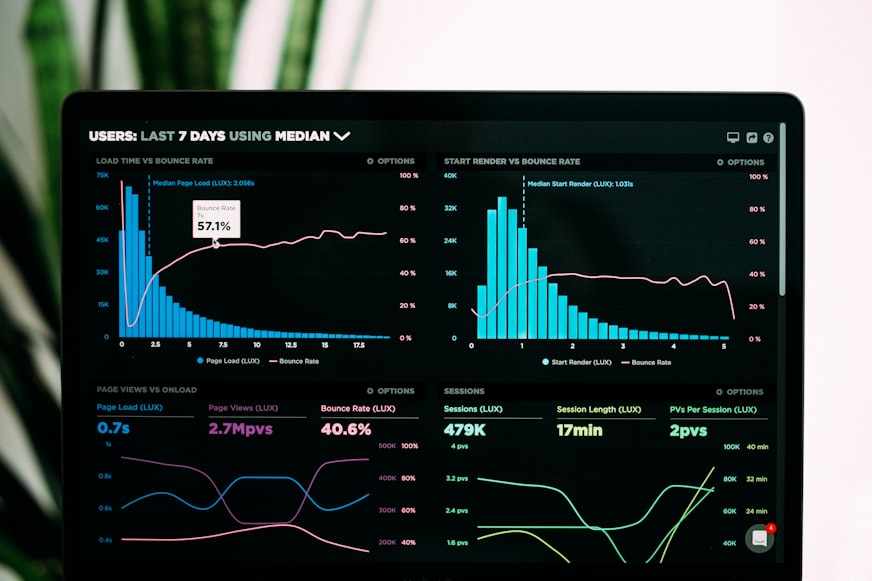
Builder shipping AI light-app micro-SKUs with acceptance tests on laptop

Continue Reading

Comments

No comments yet. Be the first to share your thoughts.

Leave a Comment