MMHow.com — How to Make Money Online
Make Money

OPC Monetization Map: Make Money as a Content Creator

Creators are becoming microcompanies If you want to make money as a content creator in a sustainable way, the old playbook—post daily, pray for ads, hope for a brand deal—is breaking. Operators who tr…

OPC Monetization Map: Make Money as a Content Creator — Self-Media & Content Creator Economy guide cover

Creators are becoming micro-companies

If you want to make money as a content creator in a sustainable way, the old playbook—post daily, pray for ads, hope for a brand deal—is breaking. Operators who treat content as the front door to a one-person company (OPC) report steadier cash weeks because they productize outcomes instead of selling attention by the hour.

An OPC is not a fancy label for "influencer." It is a lean business where you own the audience relationship, the offer, and the delivery stack. AI compresses production time, but it does not replace positioning: you still need a buyer sentence, a proof loop, and a repeatable way to collect money.

This guide maps four monetization lanes, a lean operating stack, and a seven-day sprint you can run without quitting your day job.

Who this model fits

Profile Good fit if… Weak fit if… Niche expert You can teach one outcome repeatedly You only want viral entertainment B2B operator Buyers have budgets and deadlines You refuse sales conversations Multi-platform poster You can repurpose one idea into 3 formats You hate publishing cadence Digital seller You can ship templates, checklists, mini-courses You need perfect polish before shipping

Make money as a content creator when your content, offer, and fulfillment are one system—not three hobbies you rotate when motivation spikes.

Four monetization lanes (pick two max at first)

Lane 1: Platform incentives and ads

Fast feedback, volatile income. Useful for learning hooks and audience temperature, but rarely enough alone once you cover tools and time. Treat ad share as R&D budget, not salary.

Lane 2: Knowledge products

High margin once trust exists. Formats: Notion templates, swipe files, workshop recordings, cohort outlines. Price on outcome ("launch your first paid newsletter in 14 days") not page count.

Lane 3: Services and retainers

Stable when scoped. Examples: ghostwriting for founders, short-video editing packs, RED note audits, landing page rewrites. Productize into fixed packages with revision caps.

Lane 4: Digital SKUs

Scales with notes plus auto delivery. Virtual goods—SOP PDFs, prompt packs, niche spreadsheets—fit creators who already document process. Margin improves when you own IP instead of reselling generic bundles.

Lane Time to first dollar Ceiling (solo) Ops load Ads Days Low–medium Low Knowledge Weeks Medium–high Medium Services Days–weeks Medium High Digital SKUs Weeks Medium Medium

The lean OPC stack

  1. Capture — voice notes, comment screenshots, DM questions (these are product specs).
  2. Draft — AI assist for outlines; human pass for voice, proof, and claims.
  3. Publish — one primary channel + one discovery channel (e.g., RED + newsletter).
  4. Funnel — every post ends with one next step: lead magnet, waitlist, or application.
  5. Review — weekly: saves, DMs, refund reasons, which offer got paid replies.

Operators who make money as a content creator at OPC scale batch this loop on Sunday nights instead of improvising nightly.

Positioning: one buyer sentence

Before you publish another carousel, finish this sentence:

"I help [specific person] achieve [measurable outcome] without [main fear] using [your method]."

Examples:

  • "I help first-time RED sellers get their first 10 orders without paid ads using search-first notes."
  • "I help junior devs land first Upwork clients without race-to-bottom bids using audit-style proposals."

If you cannot name the buyer, you are building an audience asset—not a business yet.

Seven-day OPC creator sprint

Day Task Output 1 Interview 3 ICP pains (comments/DMs) One-page pain list 2 Ship lead magnet outline (5–7 pages) PDF or Notion link 3–4 Publish 4 seed posts (problem → proof → offer tease) Live URLs 5 Open waitlist or application form 10+ signups goal 6 Presell mini-offer ($29–$99) to waitlist 3–5 paid goal 7 Deliver v1 + collect testimonials Case study bullets

Do not add a second offer until the first mini-offer completes one full delivery cycle.

AI leverage without losing trust

Use AI for: headline variants, carousel layouts, transcript cleanup, FAQ drafts, email sequences.

Keep human-only: client stories with permission, pricing decisions, anything regulated (health, finance, legal), and replies to angry buyers.

Disclose AI assist where platforms or clients require it. Authenticity compounds; shortcut claims burn accounts.

Metrics that matter for OPC creators

Vanity metrics (raw views) mislead. Track weekly:

  • Save rate on educational posts
  • DM keywords ("price", "how to start", "link")
  • Waitlist conversion from lead magnet
  • Refund rate on digital SKUs
  • Repeat buyers within 90 days

If saves rise but DMs stay flat, your CTA is weak. If DMs rise but checkout stalls, your offer scope is fuzzy.

Common failure modes

  • Lane hopping weekly — ads Monday, course Tuesday, agency Wednesday; nothing compounds.
  • Free content without a paid ladder — you train audiences never to pay.
  • Over-customizing services — margin dies; move repeated requests into templates.
  • Copying hooks without copying proof — platforms and buyers punish empty promises.

Case study: RED seller to OPC in six weeks

A part-time operator selling Notion templates on Xiaohongshu (RED) started with 1,800 followers and zero paid offers. Week one: she documented the top 20 comment questions into a pain list. Week two: she shipped a free "first 10 orders" checklist as a lead magnet. Weeks three–four: four seed posts followed the problem → proof → offer tease pattern, each ending with "comment CHECKLIST for the PDF."

By week five she had 340 waitlist signups and presold a $49 mini-workshop to 11 buyers—roughly $539 before delivery costs. Week six delivery produced three written testimonials she reused as carousel proof. She did not launch ads, a membership, or a second SKU until the workshop completed one full cycle.

The lesson is not the dollar amount—it is sequence. Capture pain from real comments, monetize one outcome, collect proof, then expand lanes. Operators who make money as a content creator at OPC scale repeat this loop quarterly instead of chasing new niches monthly.

Troubleshooting your OPC map

Symptom Likely cause Fix High views, zero DMs Weak or missing CTA One next step per post; test comment keywords DMs but no checkout Fuzzy offer scope Rewrite offer as deliverable + deadline + price Refunds on digital SKUs Expectation mismatch Add screenshots, "not included" list, sample page Service clients scope-creep No revision cap Written package with two rounds max Burnout after two weeks No batch rhythm Sunday capture block; schedule 3–4 posts ahead AI content feels generic No client stories Add one permissioned case per week

If two lanes both stall after 30 days, pick the lane with the highest save rate on educational posts—not the one with the loudest vanity metrics.

Extended FAQ

Should I build an email list or rely on platform DMs? Own at least one off-platform capture (email, newsletter, or waitlist form). Platform algorithms change; your list survives account dips. Even 150 engaged subscribers beat 10,000 passive followers for presell conversion.

How do I price my first mini-offer? Anchor on outcome and time saved, not hours you spent filming. A $29–$99 tripwire that solves one urgent pain converts faster than a $299 course nobody asked for. Raise price after five paid deliveries and zero refund spikes.

Can I combine all four lanes at once? Not at launch. Run two lanes max for 90 days: typically one fast-feedback lane (ads or services) plus one scalable lane (digital SKUs or knowledge products). Add lanes only when the first offer completes delivery and produces reusable proof.

What if my niche feels too small? Micro-niches with budget holders (B2B operators, credential prep, compliance-heavy sellers) often outperform broad lifestyle content. Specificity in your buyer sentence attracts fewer followers but more paid replies.

How do I transition from services to digital SKUs? Document every repeated client request. After the third similar ask, turn the deliverable into a template pack with a recorded walkthrough. Keep services as premium "done with you" tier above the SKU.

Related on MMHow

  • Six-Tool Creator Stack
  • AI Agent Multi-Platform Workflow
  • Content OPC vs Hourly Freelancing

FAQ

Do I need 10K followers to start an OPC? No. Micro-audiences with clear pain convert faster than broad entertainment accounts. Start with 500–2,000 targeted followers or an email list of 200 engaged readers.

Can I run an OPC while employed full-time? Yes. Batch capture and draft on weekends; publish 3–4x/week using templates; sell one mini-offer before scaling content volume.

Which lane should I pick first? Services if you need cash in 30 days; digital SKUs if you already document SOPs; knowledge products if you have case studies and teaching patience.

How is OPC different from "personal branding"? Personal branding optimizes for recognition. OPC optimizes for repeatable revenue with documented delivery—even if your face is not the product.

Bottom line

Make money as a content creator when you run a one-person company: one buyer, two lanes, a weekly ops rhythm, and offers that ship without heroics. Content is acquisition; the OPC map is how you keep the money.

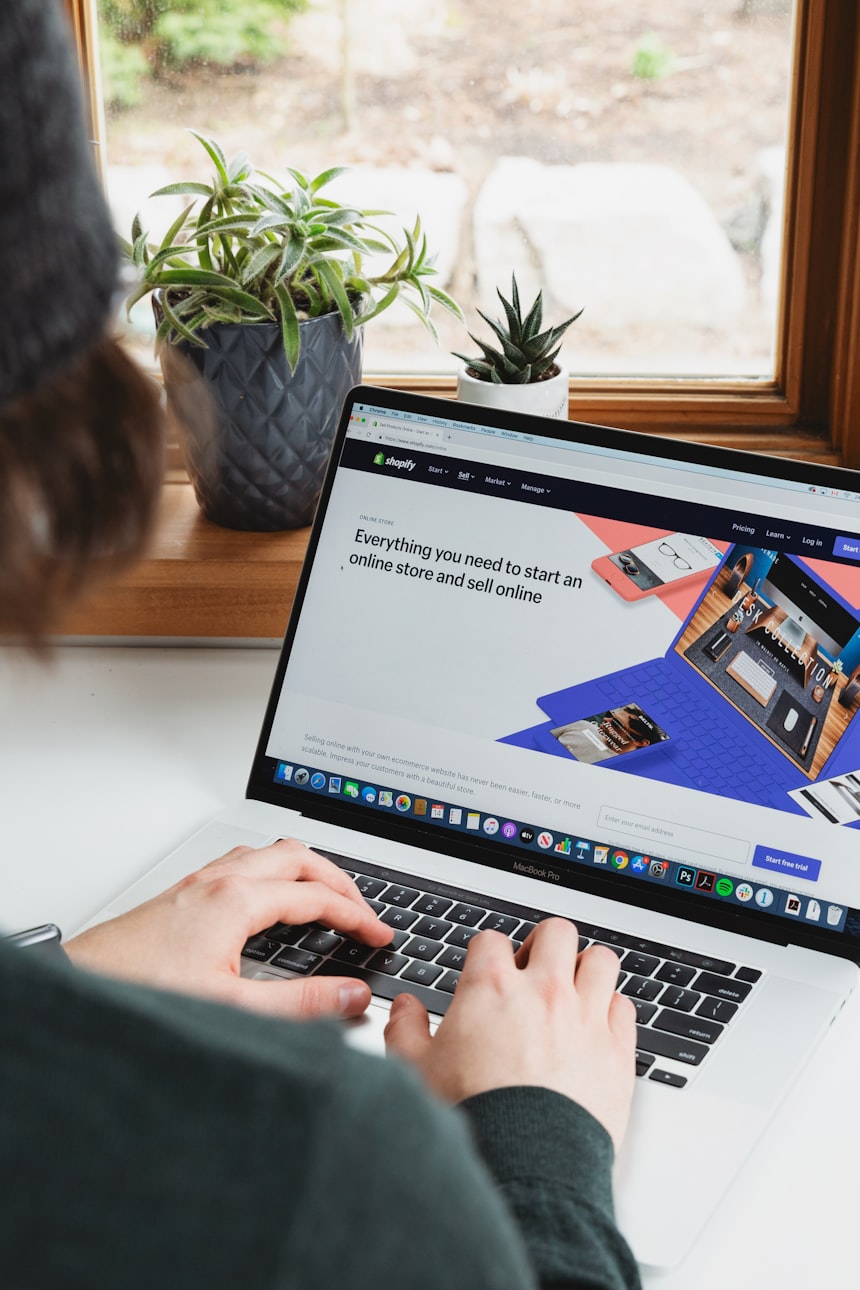
Creator mapping OPC revenue lanes on a content calendar

Continue Reading

Comments

No comments yet. Be the first to share your thoughts.

Leave a Comment