
Design AI Gig Lane: Ways to Make Money Freelancing Without Bid Wars
Ways to make money freelancing without bid wars—a design AI gig lane with productized screen packs, human polish gates, and revision caps.
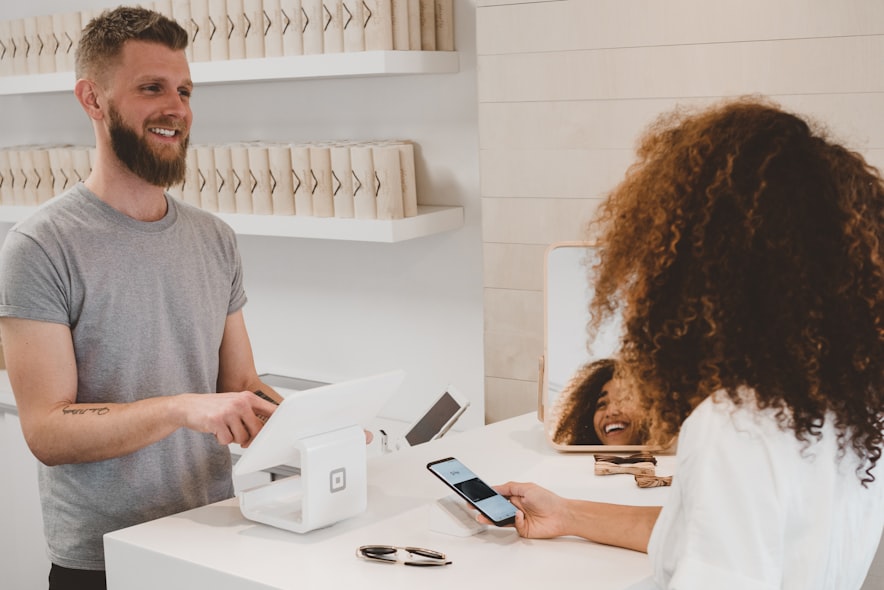
How a productized design gig lane works better than hourly bidding when you explore ways to make money freelancing
Designers who want ways to make money freelancing in the AI era often study Chinese gig-economy guides where operators run productized design lanes—fixed-scope deliverables, AI-assisted drafts, and human polish on a repeatable SKU spine—instead of racing to the bottom on open marketplace bids. You find real ways to make money freelancing when every client intake passes through a gig lane lane: scoped packages, turnaround SLAs, portfolio proof, and margin math per SKU—not endless custom quotes with no hourly floor.
This guide walks through part-time designers running one productized lane for sixty days—roughly $620–$2,400/month gross when package selection, AI draft SOPs, and revision caps stay tight. Numbers are examples—not promises.
Productized design gig lane vs unfocused hourly bidding
Dimension Productized lane + AI polish Open marketplace hourly bids Revenue trigger Fixed package checkout Lowest bid wins Asset owned Template library + case studies One-off files per client Client floor Low with clear scope High negotiation burden Margin 55–75% on scoped SKUs Thin after revision creep Repeat rate Retainer upsell on proven lane One-and-done lottery
Anyone building ways to make money freelancing as a designer should treat 产品化设计 (productized design) as a package-selection pipeline, not a portfolio vanity contest.
Productized design gig lane anatomy
Block Function Kill signal Lane lock One deliverable type (landing hero, social kit, pitch deck) Daily service hopping Gig lane setup Three to five fixed packages with price and turnaround Open "contact for quote" Package shortlist 3–8 SKUs with margin proof and revision cap Unlimited revisions promised Intake checklist Brief form, scope check, deposit filter, AI draft pass Slack DM scope creep Delivery series Draft, polish, handoff, testimonial ask One messy export Rights SLA row License tier doc and source file policy Client owns your templates Metrics row Inquiries, deposits, deliveries, effective hourly Views without deposit rate
Ways to make money freelancing with AI means accelerating layout drafts, variant batches, and copy placeholders—never shipping raw AI output without human polish and brand judgment.
Productized design gig lane launch checklist (first seven days)
- Lane lock (45 min) — pick one deliverable: landing page hero sets, Instagram carousel kits, startup pitch deck shells, or SaaS onboarding screens.
- Gig lane open (60 min) — publish three packages on your site or marketplace profile with documented price, turnaround, and revision cap.
- Package map (30 min) — assign portfolio case, FAQ, and objection-handling slots for the next fourteen days.
- Proof post (90 min) — publish one organic before/after: AI draft vs human-polished final with honest limitation note.
- AI assist pass (30 min) — generate three layout variants per package; human approves every typography, spacing, and brand claim.
- Scope audit (20 min weekly) — drop packages with revision overrun or clients who ignore brief forms.
- Deposit gate (per client) — collect partial payment before AI draft burn; label commercial relationship on portfolio posts.
Weekly productized design gig lane checklist (60 minutes)
Step Time Output Package scorecard 15 min Keep/kill list by margin and revision hours Client calendar 15 min Three deliveries with package assignments AI batch draft 10 min Layout variants per active project Scope ping 5 min Confirm brief completeness on top two clients Metrics review 10 min Deposits, deliveries, effective hourly Compliance scan 10 min Claims, license tiers, handoff logs
Ways to make money freelancing as a designer fails when operators offer twelve services with no package depth—three proven SKUs beat a junk service menu.
Package-selection matrix (illustrative)
Tier Package profile Price band Client type Anchor High close rate, clear scope $149–$349 Solo founders, creators Test New vertical, strong margin $199–$499 Agencies needing overflow Rush 48-hour turnaround premium $249–$599 Launch-week startups Kill Revision >2 rounds or scope creep Any Remove from menu
Micro-freelancers with under fifty portfolio pieces should anchor on demonstrable before/after value (conversion lift, brand consistency) not celebrity client logos.
Economics (illustrative, not guaranteed)
Anchor package: eight deliveries monthly at $220 average net with 12 hours polish might yield $1,760/month at $147/hour effective—if intake rejects vague briefs.
Test package stack: five deliveries at $310 net with 10 hours might add $1,550/month—with strict kill rules on revision creep.
Rush premium: two rush jobs at $380 net with 6 hours might add $760/month—not a steady base.
Template resale add-on: one digital kit at $49 with 3 hours setup might add $147/month if disclosed.
Stacked (month three): $620–$2,400/month gross before tax and tools—not passive, not guaranteed.
Failure modes that kill productized design gig income
- Service sprawl — twelve packages, zero case studies per SKU.
- AI dump delivery — raw generated layouts without typography and hierarchy polish.
- Lane hop — landing pages Monday, logos Tuesday; no series continuity.
- No deposit gate — free spec work until burnout.
- Revision inflation — "unlimited tweaks" that erase margin.
- No metrics row — delivering weekly without tracking inquiry-to-deposit ratio.
- Marketplace race — competing on $15 logos against global underbidders.
Case study: landing hero productized lane
A part-time UI designer with fourteen portfolio cases launched three packages (single hero, three-screen set, full landing section) after studying Chinese productized-gig tutorials on Zhihu. Built a fourteen-day outreach calendar: week one case studies, week two process posts, week three FAQ on revision caps. Used AI for layout drafts and placeholder copy; polished every export in Figma with spacing audits. First deposit on day five—single hero at $189 net. Week two: comparison post drove four inquiries and two deposits ($478 gross). Killed unlimited-revision test package after one client demanded twelve rounds. Month two: eleven deliveries, $2,068 gross, 38 hours total polish. Doubled down on SaaS hero lane; stopped bidding on open logo contests.
Compliance and platform ethics
- Label commercial relationships and AI assistance when material to how drafts were produced.
- Do not guarantee conversion or revenue outcomes from design deliverables.
- Define license tiers clearly: personal, commercial, exclusive—with documented handoff.
- Honor revision caps stated in package terms; escalate scope changes with written change orders.
- Keep tax records on freelance design income; consult professionals for your jurisdiction.
- Do not use client trademarks or confidential briefs in portfolio without written permission.
Related on MMHow
- micro-offer validation ladder
- remote freelancing platform handbook
- seven rules for quitting big tech solo
Client intake scorecard
Signal Strong Weak Brief quality Filled form with references "Make it pop" vagueness Scope fit Matches one package exactly Custom everything Deposit speed Paid within 48 hours Negotiates after draft Revision expectation Accepts stated cap Demands unlimited tweaks AI disclosure Client OK with AI-assisted draft Expects 100% hand-drawn myth Timeline Respects turnaround SLA Daily ping before deposit
Ways to make money freelancing through a productized design gig lane work when clients can predict deliverable shape and price—not negotiate from zero every Monday.
Renewal checklist (after first profitable package)
- Log deliveries, revision hours, and scope flags per package in a weekly row.
- Produce a three-part mini-series on the winner (case study, process, FAQ objections).
- Swap only one test package per month—never rebuild the whole menu at once.
- Propose retainer upgrade if margin clears your hourly floor after polish hours.
Extended operator notes
AI accelerates layout drafts and variant batches—clients still pay for typography discipline, spacing systems, and brand judgment. Batch draft on Sunday; deliver Tuesday–Thursday during client business hours in their time zone.
Keep one deliverable lane per quarter. Adjacent packages (three-screen set after single hero) work; unrelated hops (logos after landing pages) do not.
Treat the gig lane as a production schedule, not a mood board—assign packages to client slots before you accept intake.
Productized design rewards consistent case study depth more than marketplace star ratings. Solo builders who find ways to make money freelancing document every revision hour before adding SKUs.
Build a template spine behind each package—components, color tokens, type scales—so AI drafts start from your system, not random pixels.
Charge rush fees honestly; never compress polish below your quality floor to hit arbitrary deadlines.
FAQ
Can I run a productized design lane with under ten clients? Yes—package clarity and deposit gates matter more than total client count for scoped SKU income.
Does AI replace the designer? AI drafts layouts; you own hierarchy, accessibility, brand fit, and final polish—approve every export.
What if no deposits in week one? Audit case study quality and pricing; refresh hook on best package before adding new SKUs.
Can I mix productized packages and custom enterprise work? Yes—route enterprise leads to custom quotes; keep productized lane separate with clear boundaries.
When to add a second deliverable lane? After one package clears eight monthly deliveries with revision hours under your cap—not after one viral portfolio like.
Thirty-day growth path checklist
Week one: lock one deliverable lane, publish three packages with deposit gates, and publish two case studies with AI-assist disclosure. Week two: map process and FAQ slots; run AI draft batches on one winning case format; kill any package with revision overrun above your cap. Week three: publish the full three-type calendar; track inquiry-to-deposit ratio per package in a simple spreadsheet. Week four: double down on top one or two packages with a three-part mini-series; swap only one test SKU. Document hours per delivery before calling ways to make money freelancing via productized design lane sustainable—not a single lucky client month.
Tooling checklist (lean)
- Package margin spreadsheet (price, hours, revision cap, kill flag)
- Client intake form template (scope, references, license tier)
- AI draft prompt doc (human polish mandatory)
- Handoff checklist (files, license doc, testimonial ask)
- Weekly metrics row (see below)
- Revision log per client for scope creep evidence
Weekly metrics row (one line)
week | deliverable_lane | inquiries | deposits | deliveries | gross_revenue | polish_hours | effective_hourly | top_package | kill_y/n
Eight rows show whether your package shortlist earns—or whether you need better case studies, not more service lines.
Bottom line
Practical ways to make money freelancing through a productized design gig lane look like fixed-scope packages, AI-assisted drafts with human polish, deposit gates, revision caps, and documented case studies—not hourly bidding wars, unlimited tweaks, or twelve services with zero proof on screen.
Last reviewed
Last reviewed: July 2026. We rewrote repetitive template phrasing, refreshed internal links, and tightened operational language. Figures and platform policies remain illustrative—not income or return guarantees.

Continue Reading
Comments
No comments yet. Be the first to share your thoughts.